Selling or buying rural Ontario real estate isn’t one-size-fits-all. Farmers, lifestyle buyers, and investors each bring different goals that shape how properties sell—and how you should market them. Knowing these buyer profiles can help you set the right price, stage your home, and choose the best advertising channels. Let’s explore how understanding your buyers can make all the difference in your farm marketing strategy.
The Farm Operator's Influence
Farm operators play a critical role in shaping rural property sales. Understanding these buyers can help tailor your approach to meet their unique needs and preferences.
Pricing Adjustments for Farm Operators
When setting a price for agricultural properties, start by considering the property's current production value. Operators often look for land that can support specific crops or livestock. To appeal to them, research comparable sales in the area and highlight any existing infrastructure, such as barns or irrigation systems. This data-driven pricing approach ensures operators see the real value in your property.
Moreover, operators often have specific financial constraints and goals. Consider offering flexible terms, like lease-to-buy options, to attract more interest. This flexibility can make your property stand out, especially if it aligns with a buyer's long-term farming plans. Always consult a local expert to ensure your pricing strategy reflects both market conditions and the property's agricultural potential.
Effective Staging for Agricultural Properties
The right staging can make a farm irresistible to potential buyers. Focus on showcasing the functional aspects of the property. Ensure barns are clean and organized, fences are in good repair, and fields are well-maintained. Highlight any modern equipment that will remain with the sale, as this can be a significant draw for farm operators.
Invite prospective buyers to envision their operations running smoothly on your land. Consider arranging an open day where they can see the farm in action. This hands-on experience can make your property more memorable and increase your chances of a successful sale.
Advertising Channels for Farm Operators
Reaching farm operators requires targeted advertising. Use platforms that cater to the agricultural community, such as farm equipment magazines or online farming forums. Local newspapers and community boards can also be effective, as many operators prefer familiar and trusted sources for property information.
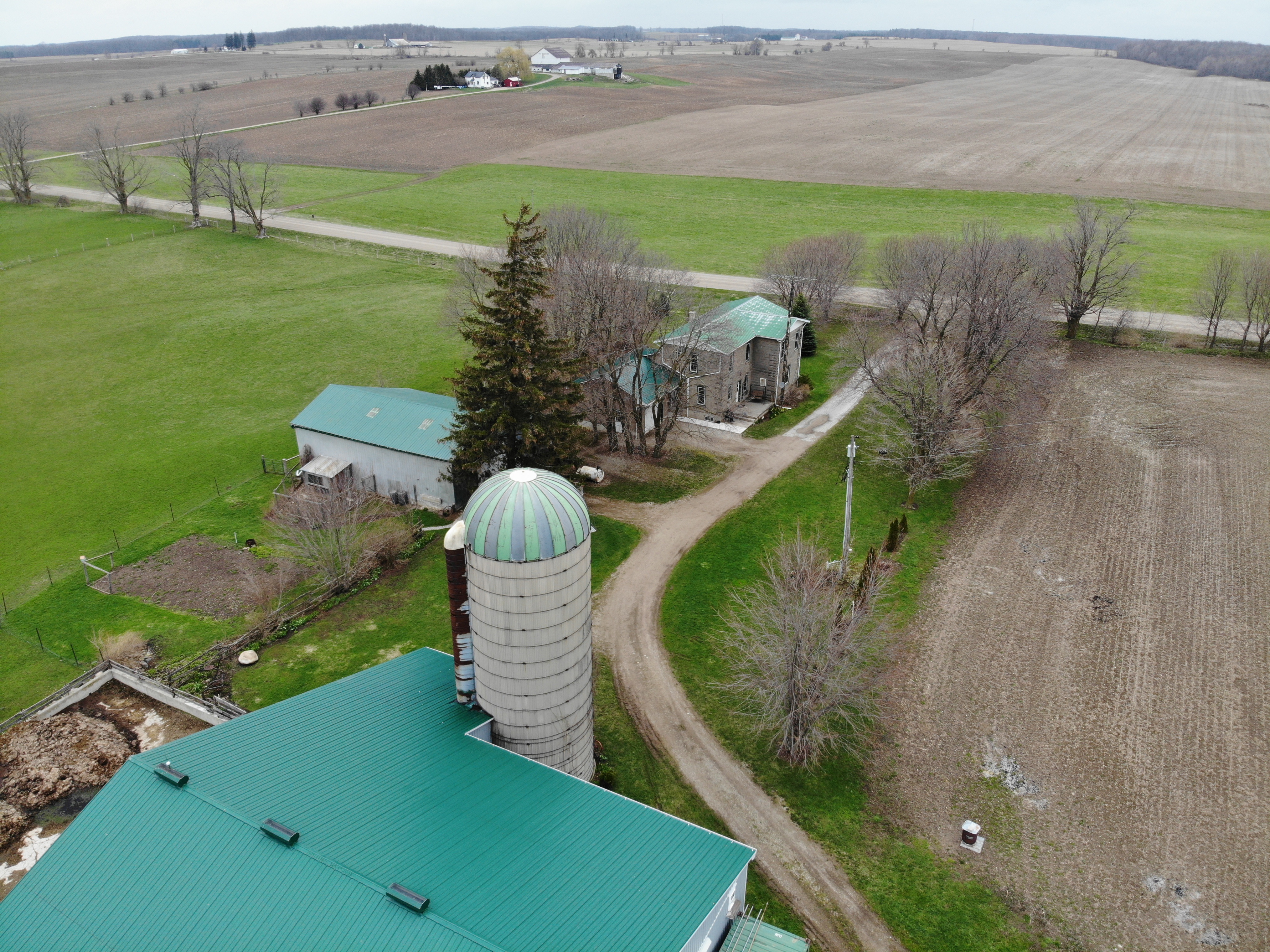
Digital marketing should not be overlooked. Highlight your listing on real estate websites specializing in rural properties. Consider using drone photography to offer aerial views of the land, showcasing its full potential. This approach can give operators a comprehensive understanding of what the property offers, making them more likely to reach out for a viewing.
Lifestyle Buyers and Rural Appeal
Lifestyle buyers are drawn to the tranquility and charm of country living. Understanding their motivations can help tailor marketing strategies that speak directly to their desires.
Attracting Lifestyle Seekers with Staging
Lifestyle buyers are looking for a home that offers more than just functionality; they seek a sanctuary. Stage your property to highlight its peaceful surroundings and cozy living spaces. Use natural elements like wood and stone in your decor to emphasize the rustic charm of rural life.
Create inviting outdoor spaces, like a patio or garden area, where buyers can imagine themselves relaxing. Highlight any unique features, such as a fireplace or large windows with stunning views. These elements can set your property apart and make it irresistible to those seeking a rural retreat.
Marketing Channels for Country Homes
To reach lifestyle seekers, focus on marketing channels that emphasize the beauty of rural life. Social media platforms like Instagram and Pinterest are ideal for showcasing stunning photos of your property. Use descriptive captions that evoke the peacefulness and charm of country living.
Local events and community groups are also excellent avenues for promoting your property. Attend farmers' markets or local fairs to connect with potential buyers face-to-face. Share brochures or business cards with attractive images of your home, and engage in conversations about the benefits of rural living.
Negotiating with Lifestyle Buyers
When negotiating with lifestyle buyers, emphasize the emotional and lifestyle benefits of your property. Highlight the opportunities for relaxation, family gatherings, and a slower pace of life. Be open to discussing flexible terms, such as including certain furnishings or appliances that enhance the home's charm.
Understand that lifestyle buyers may prioritize different aspects of a property than traditional buyers. They might value a home office with a view or a hobby farm setup over more conventional features. Tailor your negotiation strategy to meet their unique desires, and you're more likely to close the deal.
Investor Impact on Rural Sales
Investors view rural properties as opportunities for profit and growth. Tailoring your approach to their objectives can make your property more appealing.
Pricing Strategies for Investors
Investors are primarily focused on return on investment (ROI). Set a competitive price that reflects both current market trends and the potential for future appreciation. Highlight any existing rental income from the property or its potential for agricultural production.
Consider offering detailed financial projections that showcase the possible income streams from the land. This transparency can help investors see the property's true value and potential for profit. Partner with a local real estate expert to ensure your pricing strategy aligns with investor expectations.
Advertising Land Opportunities
Investors are often drawn to properties with untapped potential. Use advertising channels that focus on investment opportunities, such as real estate investment websites or financial publications. Highlight any development possibilities or zoning changes that could increase the property's value.
Utilize digital tools like virtual tours or 3D renderings to showcase the property's potential. These tools can help investors visualize future projects and assess the land's suitability for their plans. Providing comprehensive information upfront can attract more serious inquiries from potential investors.
Negotiations with a Focus on ROI
When negotiating with investors, keep the conversation focused on ROI. Be prepared to discuss the property's potential for development or income generation. Offer data and projections that support your claims, and be open to discussing flexible terms that can enhance the deal's attractiveness.
Consider offering incentives, such as reduced closing costs or assistance with initial development plans, to sweeten the deal. By aligning your negotiation strategy with the investor's goals, you can increase the likelihood of a successful sale.
In summary, understanding the unique needs of farm operators, lifestyle buyers, and investors can significantly impact your rural property marketing strategy. By tailoring your approach to each buyer type, you can enhance your property's appeal and increase your chances of a successful sale.
Explore tailored options for your rural property goals